
Created on October 28th, 2026 at 04:30 am
Table of Contents
Introduction: Basque Cheesecake
The Origin of Basque Cheesecake
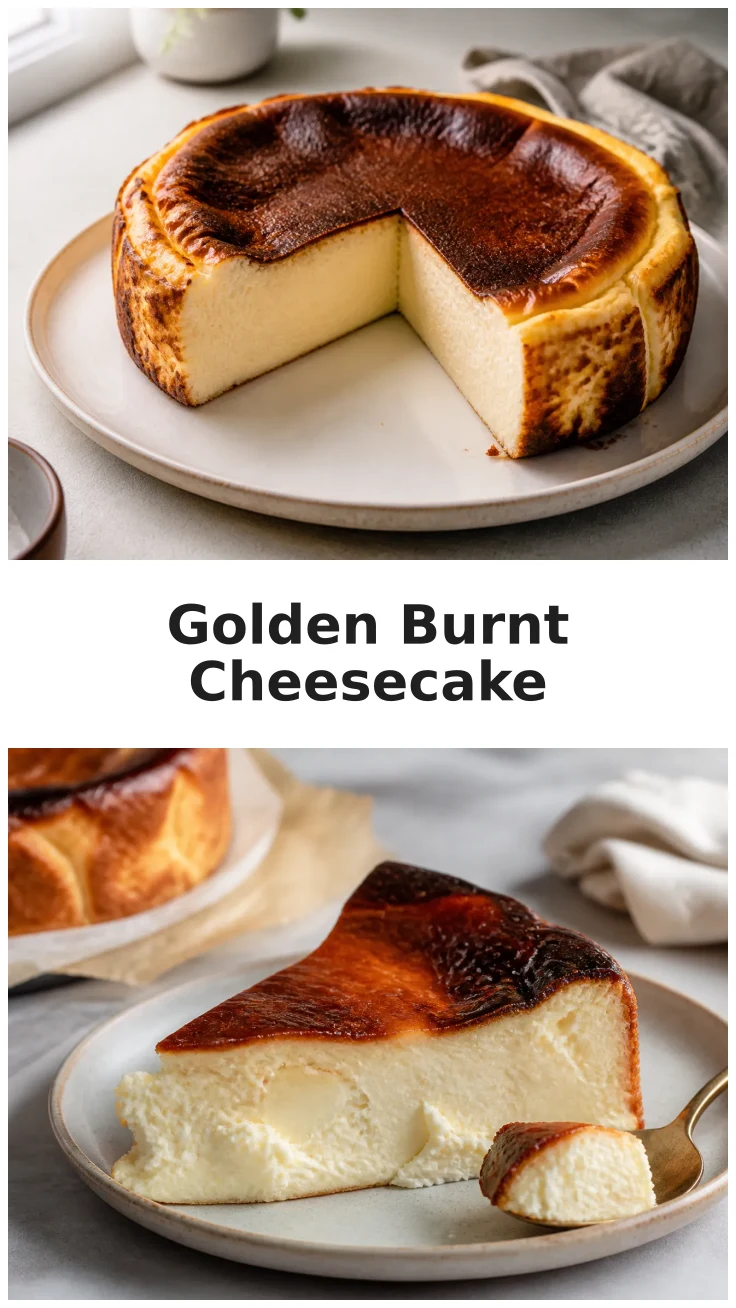
Basque cheesecake, also known as burnt cheesecake, hails from the Basque Country, nestled between Spain and France. This unique dessert has gained international fame for its distinctively caramelized top and creamy interior. Unlike traditional cheesecakes, Basque cheesecake is baked at a high temperature to achieve its signature burnt top, which balances the rich, velvety texture within. For more inspiration, check out Creamy Red Velvet Cheesecake Cake.
The creation of Basque cheesecake is credited to La Viña, a restaurant in San Sebastián, where the recipe was crafted in the early 1990s. Today, it is a celebrated dish, often featured in gourmet dessert menus across the globe, making it a must-try for cheesecake enthusiasts and international dessert lovers alike.
Why It’s a Gourmet Dessert
Basque cheesecake stands out as a gourmet dessert due to its simplicity and depth of flavor. The burnt top adds a layer of complexity, providing a subtle bitterness that contrasts beautifully with the creamy, sweet filling. This dessert’s rustic appearance, combined with its sophisticated taste, makes it a favorite among those who appreciate gourmet and international desserts.
Its popularity is further enhanced by its versatility. Whether served plain or with a variety of garnishes, Basque cheesecake can be adapted to suit different tastes and occasions. This adaptability, coupled with its unique flavor profile, ensures its place on the menu of gourmet desserts worldwide.

Love baking cakes like this one? 🎂
Get our newest cake recipes and seasonal baking ideas in your inbox every week. Free, no spam, unsubscribe anytime. See our Privacy Policy.
Ingredients
Essential Ingredients for Basque Cheesecake
The charm of Basque cheesecake lies in its simplicity. The recipe requires only a handful of ingredients, all of which come together to create the perfect balance of flavors and textures. The essential ingredients include cream cheese, heavy cream, sugar, eggs, and a touch of flour. Each component plays a crucial role in delivering the cheesecake’s signature taste and consistency.
Using high-quality ingredients is key to achieving the best results. Opt for full-fat cream cheese for a rich texture, and ensure your eggs are at room temperature for easier mixing. These small details can make a significant difference in the final product.
Substitutions and Variations
While the classic Basque cheesecake recipe is delightful on its own, there are several substitutions and variations you can explore. For a lighter version, consider using half-and-half in place of heavy cream. You can also experiment with different flavors by adding vanilla extract or a citrus zest to the batter.
For those with dietary restrictions, gluten-free flour can be used without compromising the cheesecake’s texture. Additionally, you can create a lower-sugar version by substituting some of the sugar with a natural sweetener like stevia. These adjustments ensure that everyone can enjoy this delicious Spanish cheesecake.
Pro Tips
Creating the perfect Basque cheesecake requires attention to detail and a few expert tips. Here, we’ll share some insights to help you achieve that coveted golden burnt top and creamy interior.
- Achieve the Perfect Burnt Top: Bake your cheesecake at a high temperature of 450°F. This will ensure the top caramelizes quickly, creating the signature burnt look without overcooking the interior.
- Avoid Common Mistakes: Make sure to line your cake pan with parchment paper, allowing the paper to rise above the edge of the pan. This prevents sticking and makes it easier to remove the cheesecake once baked.
- Use Room Temperature Ingredients: Ensure all your ingredients, especially cream cheese and eggs, are at room temperature before mixing. This ensures a smooth batter, free of lumps.
- Do Not Overbake: The cheesecake should jiggle slightly in the center when you take it out of the oven. It will continue to set as it cools.
The most important tip to remember is to embrace imperfections. Basque cheesecake is meant to be rustic, with a cracked, uneven surface that adds to its charm. Focus on the flavor and texture rather than achieving a flawless appearance.
Achieving the Perfect Burnt Top
Achieving the perfect burnt top requires a delicate balance of time and temperature. The high heat caramelizes the sugar, creating a thin, crispy layer on top while keeping the inside creamy and soft. Preheat your oven to 450°F and bake the cheesecake on the middle rack for about 50 minutes. Keep an eye on it during the last few minutes to ensure the top doesn’t overburn.
Avoiding Common Mistakes
Many home bakers encounter issues such as cracks or uneven cooking. To avoid these, ensure your oven is fully preheated before baking and resist the urge to open the oven door frequently, as this can cause temperature fluctuations. Additionally, using a springform pan lined with parchment paper helps maintain the cake’s shape and prevents sticking.
For more cheesecake tips, check out our Pumpkin Cheesecake Cupcakes for additional insights into perfecting cheesecake recipes.
Step-by-Step Instructions
Preparing the Batter
Begin by gathering all your ingredients and allowing them to reach room temperature. In a large mixing bowl, beat the cream cheese and sugar until creamy and smooth. Add the eggs, one at a time, mixing well after each addition. Pour in the heavy cream and beat until fully incorporated. Finally, sift in the flour and mix just until combined.
Take care not to overmix the batter, as this can introduce too much air, leading to cracks as the cheesecake bakes. The goal is a smooth, lump-free batter that flows easily.
Baking to Perfection
Preheat your oven to 450°F and line a 9-inch round cake pan with parchment paper, allowing it to extend above the rim. Pour the batter into the prepared pan, smoothing the top with a spatula. Place the pan on the middle rack of the oven and bake for 50 minutes.
After 50 minutes, the cheesecake should have a deeply caramelized top with a slight jiggle in the center. If the top is browning too quickly, you can tent it with foil to prevent overburning while the interior continues to set.
Cooling and Serving
Once baked, remove the cheesecake from the oven and allow it to cool in the pan for about 20 minutes. Then, carefully lift it out using the parchment paper and transfer it to a wire rack to cool completely.
For the best flavor and texture, refrigerate the cheesecake for at least 4 hours, or overnight, before serving. This resting period allows the flavors to meld and the texture to firm up, resulting in a truly gourmet dessert experience.
For more cheesecake inspiration, explore our Blueberry Cheesecake Layer Cake for a fruity twist on a classic favorite.
Love baking cakes like this one? 🎂
Get our newest cake recipes and seasonal baking ideas in your inbox every week. Free, no spam, unsubscribe anytime. See our Privacy Policy.
Serving Suggestions
Pairing with Wines and Beverages
Basque cheesecake pairs beautifully with a variety of wines and beverages. A glass of sweet dessert wine, such as a late-harvest Riesling or a Moscato, complements the caramelized flavors of the cheesecake. For non-alcoholic options, consider serving it with a citrusy sparkling water or fresh coffee to balance the dessert’s richness.
Garnishing Ideas
While Basque cheesecake is delightful on its own, garnishing can elevate its presentation. Consider topping it with fresh berries, a drizzle of honey, or a sprinkle of sea salt for added flavor. For a seasonal touch, a dollop of whipped cream infused with vanilla or citrus zest can provide a refreshing contrast.
For more dessert pairing ideas, check out Pecan Pie Cheesecake Bars for a delightful mix of flavors and textures.
Nutritional Information
Calorie Count and Macronutrients
Each slice of Basque cheesecake contains approximately 320 calories, with a balance of carbohydrates, fats, and proteins. This dessert is rich in flavor, thanks to its creamy ingredients, making it a satisfying treat that can be enjoyed in moderation.
The primary macronutrients include 48 grams of carbohydrates, 13 grams of fat, and 5 grams of protein per serving. While indulgent, this cheesecake can fit into a balanced diet when enjoyed occasionally.
Dietary Considerations
For those with dietary restrictions, Basque cheesecake can be adapted to suit different needs. Using gluten-free flour and reducing the sugar content can make it more accessible to a wider audience. Additionally, those who are lactose intolerant can experiment with lactose-free cream cheese and cream alternatives without drastically altering the dessert’s texture.
As with any dessert, portion control is key. Enjoying a small slice as part of a balanced diet allows you to indulge in this gourmet treat without overindulgence. For more unique cheesecake ideas, explore Cranberry Orange Cheesecake Cups.


Basque Cheesecake

Equipment
- 1 9-inch round cake pan greased and floured
- 1 electric mixer
- 1 Mixing Bowl large
Ingredients
Main Ingredients
- 2 lbs cream cheese at room temperature
- 1 1/2 cups granulated sugar
- 4 large eggs at room temperature
- 2 cups heavy cream
- 1/4 cup all-purpose flour
- 1/2 tsp salt
Optional Flavor Additions
- 1 tsp vanilla extract
- 1 tsp lemon zest
Instructions
Preparation
- Preheat your oven to 450°F. Line a 9-inch round cake pan with parchment paper, allowing it to rise above the edges of the pan. This will help you lift the cheesecake out easily after baking.
- In a large mixing bowl, beat the cream cheese and sugar together until smooth and creamy. Add the eggs one at a time, beating well after each addition. Gradually mix in the heavy cream until smooth. Sift in the flour and salt, and gently fold to combine.
- If using, add vanilla extract and lemon zest to the batter. Stir until evenly incorporated. This step is optional but adds a nice depth of flavor.
- Pour the batter into the prepared pan, smoothing the top with a spatula. Place the pan on the middle rack of the preheated oven and bake for 50 minutes or until the top is deeply caramelized.
Serving
- Remove the cheesecake from the oven and let it cool in the pan for about 20 minutes. Then transfer it to a wire rack to cool completely. Once cooled, refrigerate for at least 4 hours to set.
- Once fully chilled, slice the cheesecake into 8 pieces. Serve plain or with your choice of toppings, such as fresh berries or whipped cream.
Storage
- Store any leftovers in an airtight container in the refrigerator for up to 3 days. For best freshness, keep the cheesecake chilled until ready to serve.
Notes
Ingredient Substitutions: Substitute heavy cream with half-and-half for a lighter version. Use gluten-free flour if needed.
How to Serve: Pair with dessert wine or coffee. Garnish with berries or whipped cream for added flair.
Storage & Freshness: Keep in an airtight container in the fridge. Best consumed within 3 days.
Make-Ahead Tips: Prepare a day in advance for optimal flavor. Allow it to chill overnight for best results.
FAQ
Can I make Basque cheesecake ahead of time?
Yes, Basque cheesecake is an excellent make-ahead dessert. In fact, it’s recommended to prepare it a day in advance. After baking, allow the cheesecake to cool completely and then refrigerate it for at least 4 hours, or overnight. This resting period allows the flavors to develop and the texture to firm up. When ready to serve, simply slice and enjoy. It’s a perfect option for entertaining or when you want to plan desserts in advance.
What makes Basque cheesecake different from traditional cheesecake?
Basque cheesecake differs from traditional cheesecake primarily in its baking method and appearance. Unlike the classic cheesecake, which is baked at a low temperature to prevent browning, Basque cheesecake is intentionally baked at a high temperature. This results in a caramelized, burnt top that contrasts with its creamy, custard-like interior. The absence of a crust also sets it apart, offering a unique texture and taste experience that is both rustic and sophisticated.
Enjoyed this recipe? Leave a review!
There are no reviews yet. Be the first one to write one.

